
Why People Who Visit the Whitsundays Keep Coming Back to Buy

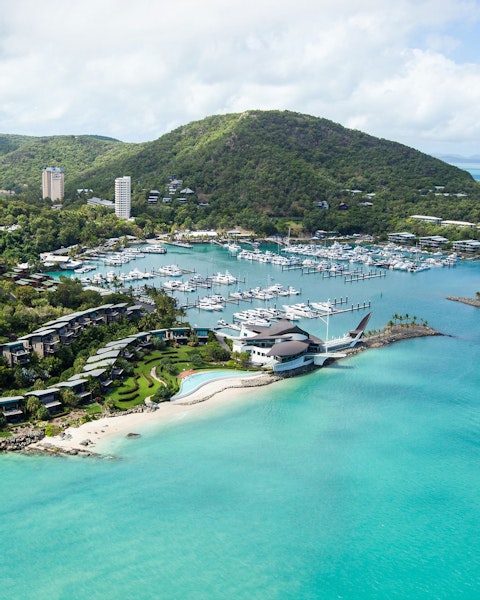
I was waiting for my takeaway coffee at the Marina Cafe on Hamilton Island when a woman joined the queue beside me. She and her husband had just arrived by boat, mooring in the marina for a few days. We started chatting the way you do in a place like this, easily, without agenda, the way conversation happens when nobody is in a hurry.
She mentioned, almost as an aside, that she had always loved the marina-front apartments. That one day she would love to have a look at one.
I told her I had one for sale.
She and her husband inspected it that afternoon. Three days later they signed a contract.
That story is not unusual in the Whitsundays. It is, in many ways, entirely typical. The region has a particular way of moving people from visitor to owner that I have watched play out more times than I can count. It does not always happen over three days. Sometimes it takes years of returning before a conversation becomes a commitment. But the arc is almost always the same. Someone comes on holiday. Something shifts. And eventually, they find their way back.
It Usually Starts With the Weather
When people call me after a trip to the Whitsundays, the conversation almost always begins the same way. They mention the weather.
Sometimes it is a direct comparison to wherever they went home to. The grey Sydney morning after a week of big blue skies and warm water. The Melbourne winter that felt somehow sharper after days of sunshine. The Whitsundays is warm for most of the year. The winter is short, and you only really register it as cold after you have lived here for a few years. Even then the mornings are crisp but the days are beautiful, the kind of clear and golden that reminds you why you came. And when it does rain, which it does through the wet season, there is a particular beauty to that too. The misty hills that form a backdrop to the town soften in the rain in a way that feels cinematic rather than inconvenient.
What the Weather Is Really About
The weather is not really about the weather.
What people are describing when they call me is the feeling they had while they were here. The Whitsundays has a quality that is difficult to articulate but immediately recognisable to anyone who has spent time in the region. It is laid back without being lazy. It is genuinely beautiful without being self-conscious about it. It is the kind of place that does not perform its appeal for you. It just exists, and eventually you notice that you have stopped trying to capture it on your phone and started simply being in it.
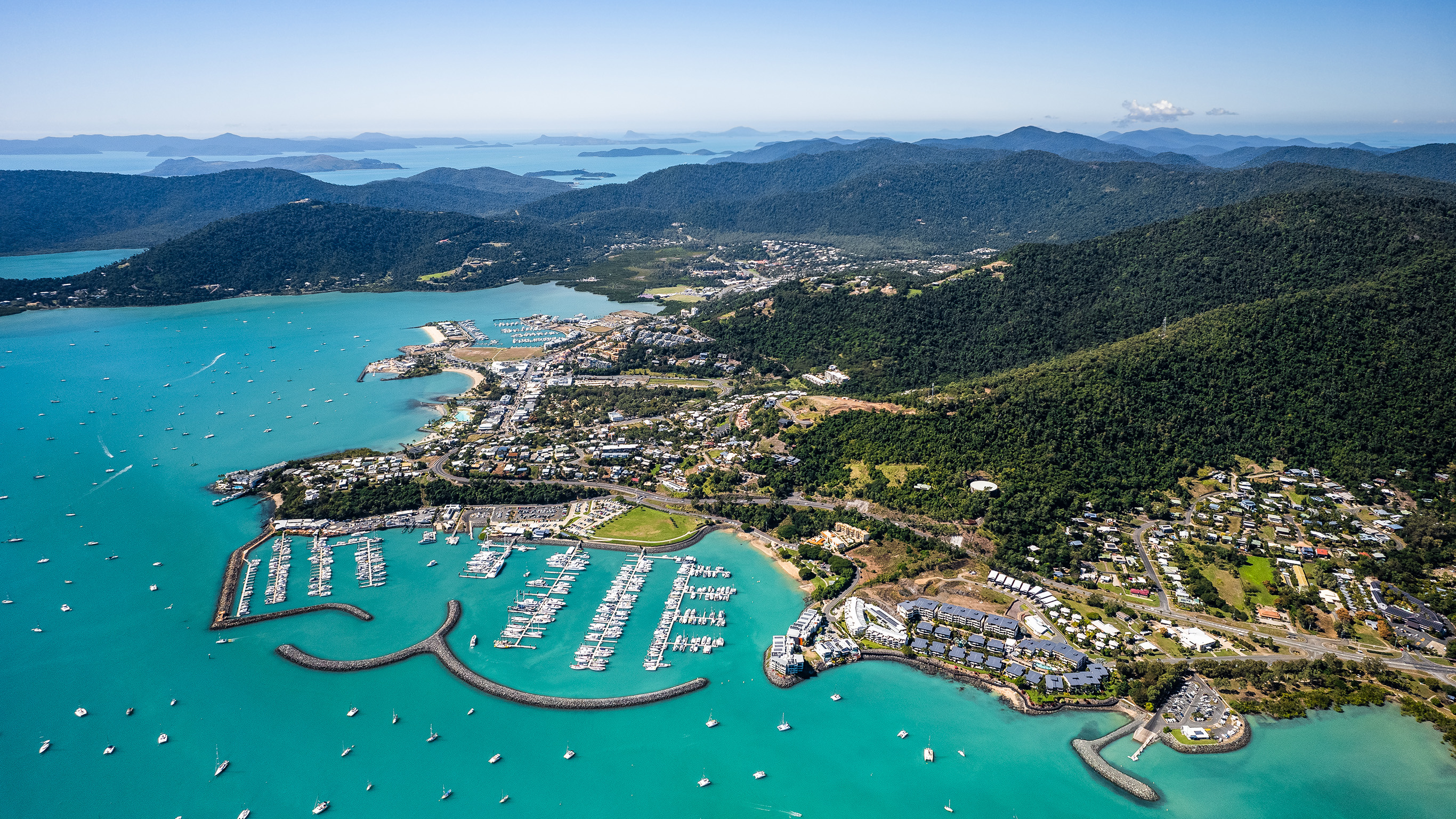
What the Whitsundays offers that is genuinely rare is the combination. The water meeting the ranges. The quaint nature of the towns, Airlie Beach with its foreshore and its energy, Bowen with its unhurried pace, the island destinations scattered across one of the most extraordinary sailing grounds in the world. The sleepy beach town feeling without the overcrowding that has slowly drained the magic from destinations further south. The world-class boating and fishing that hooks anyone who loves being on the water. The sense of having discovered something that has not yet been discovered by everyone else.
Who Makes the Journey From Visitor to Owner
The buyers who make this transition most commonly fall into two camps, though the Whitsundays genuinely attracts a mix.
The first is the established investor in the years before or just into retirement. Someone who has built financial security and who travels with intention. They are not impulse buyers. They are drawn by the investment fundamentals and the lifestyle upside that comes with owning somewhere you genuinely want to spend time. The Whitsundays delivers on both counts consistently.
The second is families seeking a quieter pace of life. The Whitsundays offers something those places have lost or never had. A community that still feels like one. Space to breathe. A pace of life that allows you to actually be present rather than performing the holiday you planned.
Both types share something important. They are not buying a property. They are buying a feeling they do not want to leave behind.
The Reluctant Buyer
Not everyone who calls me is ready to buy. Some people have been visiting the Whitsundays for years and the call is more of a conversation, a way of keeping the possibility alive without fully committing to it. I do not rush those conversations. The region has a way of doing that work on its own timeline.
What I have noticed is that there is usually a moment. A specific trip, a specific afternoon on the water, a specific conversation over dinner with someone who lives here, where the abstract idea of owning in the Whitsundays becomes something more concrete. Something that feels less like a dream and more like a decision waiting to be made.
When that moment happens, people tend to move. The woman in the Marina Cafe had been holding the idea loosely for years. All it took was the right property and the right conversation on the right afternoon. Three days later she was a Whitsunday property owner.
What Ownership Actually Gives You
The financial case for Whitsunday property is strong and I have written about it elsewhere. But the people who call me after a holiday are not leading with spreadsheets. They are leading with feeling. And what ownership in the Whitsundays actually gives you, beyond the financial return, is permission to come back.
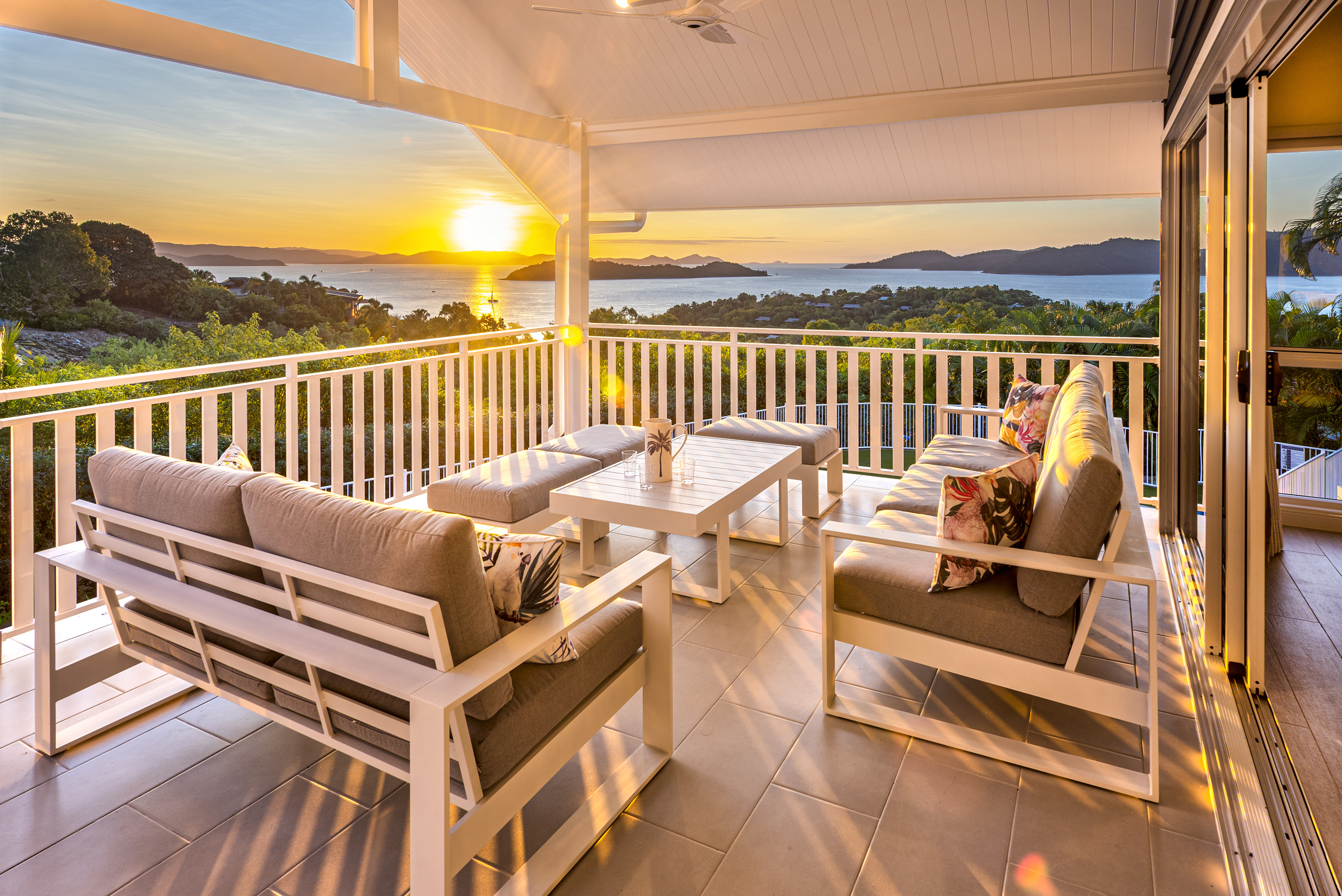
Permission to book the week in winter when the mainland is grey and the Whitsundays is golden. Permission to arrive knowing you have somewhere that is yours, in a community that will recognise your face, in a place that has a way of making the rest of life feel a little more manageable by comparison.
That is what the woman in the Marina Cafe bought. And it is what most of my clients are really buying, whatever the contract says.
If That Feeling Has Already Found You
If you have been to the Whitsundays and come home with that particular restlessness, the kind that makes an ordinary Tuesday morning feel like evidence of something you are missing, you already know what I am talking about.
The next step is simpler than it might seem. A conversation, no pressure and no obligation, about what ownership in this region actually looks like for someone in your situation. What is available, what it costs, what it returns, and what it feels like to stop visiting and start belonging.
I have had that conversation many times. It is one of my favourite parts of this work.
Stay in the Loop
Fortnightly insights from someone who lives and works here every day. Market updates, new listings, and the kind of local knowledge you will not find in a report.
.svg)
.svg)
.svg)